When Reputation Curdles: The Unpredictable Aging of Cinema's Most Celebrated Works
The Cellar Deceives
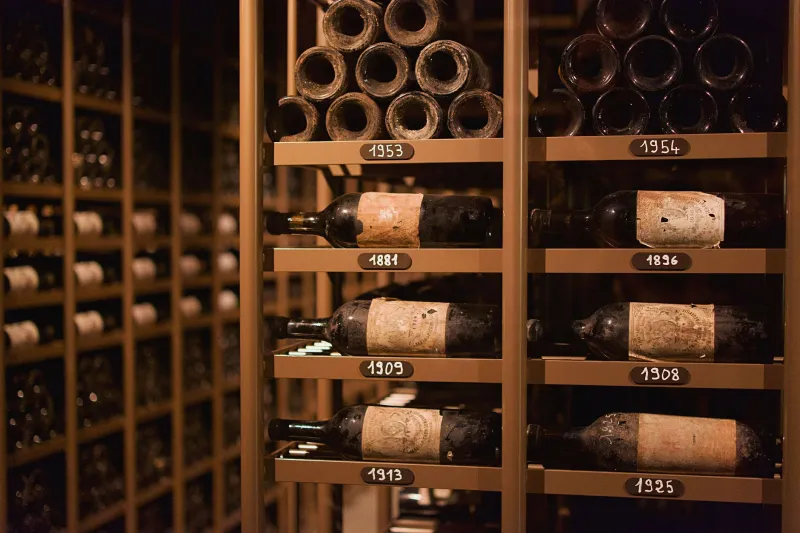
There is a particular kind of disappointment known to serious wine collectors: the vintage that arrives with extraordinary fanfare, commands stratospheric prices at auction, and then, a decade or two later, opens flat. The fruit has collapsed. The structure that once seemed so commanding now feels brittle. The wine has not aged — it has simply expired, leaving behind only the memory of what critics once promised it would become.
Cinema knows this sensation intimately, even if it rarely speaks of it in such terms. Films that swept awards seasons, dominated critical year-end lists, and entered the cultural conversation as instant masterpieces have a troubling tendency to age in ways nobody predicted. Meanwhile, pictures that were dismissed, underseen, or quietly shelved at the time of their release sometimes return decades later with a resonance that feels almost inexplicable — as though the culture had finally caught up to what the work was always quietly saying.
The parallel is not merely decorative. Both wine and film are products of their moment: shaped by climate, by circumstance, by the particular anxieties and appetites of the world that produced them. And in both cases, the relationship between contemporary reception and long-term value is far more unstable than we tend to assume.
What Fashion Mistakes for Permanence
Consider the problem of cultural specificity. Certain films earn their acclaim precisely because they articulate something their immediate audience desperately needed to hear. They capture a mood, a political anxiety, a generational wound with such precision that critics and audiences alike mistake timeliness for timelessness. The work feels essential because it is useful — but usefulness, by definition, has an expiration date.
A wine that flatters the palate of a particular moment — perhaps leaning heavily into the extracted, high-alcohol profile that dominated critical taste during a certain decade of American wine culture — may earn perfect scores upon release and leave collectors baffled years later. The wine was not dishonest. It was simply a product of its era's preferences rather than something that transcended them.
The films of any given decade contain their own version of this trap. Technical innovation, in particular, is a reliable source of premature canonization. A picture that introduced a new editing language or a groundbreaking visual effect may be celebrated as revolutionary in its moment, only to feel quaint once the techniques it pioneered become standard practice. The innovation gets absorbed into the vocabulary of cinema, and what remains — the story, the performance, the underlying emotional intelligence — must stand on its own. Sometimes it cannot.
The Overlooked Bottle in the Back of the Cellar
The inverse phenomenon is, in some ways, more interesting. There exists a category of film — modest in its original reception, perhaps misunderstood or simply invisible amid the noise of its release year — that gradually accumulates a devoted audience, generation by generation, until its reputation quietly eclipses that of more celebrated contemporaries.
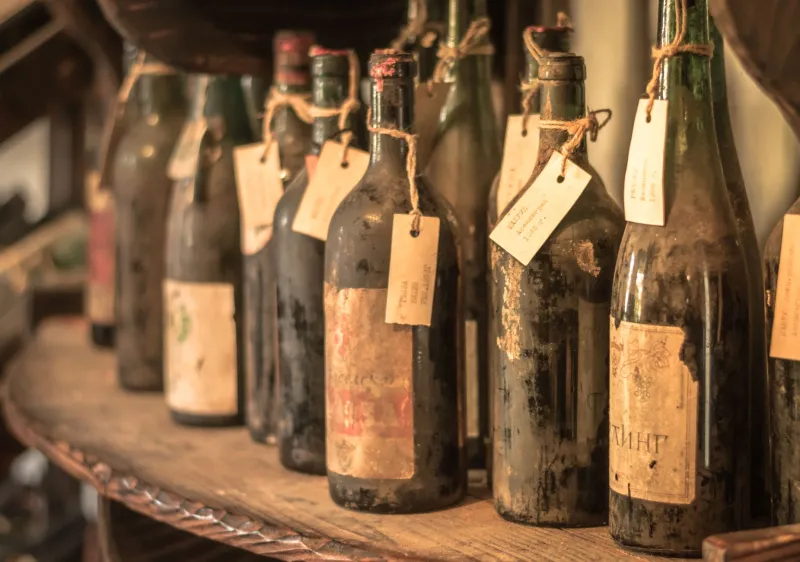
Wine collectors occasionally discover this in their own cellars. A bottle purchased almost as an afterthought, from an unfashionable region or a producer without a prestigious pedigree, opens twenty years later to reveal something extraordinary: complexity that was always there, waiting for the right moment to express itself. The wine did not improve because of neglect. It improved because it was built for duration rather than for immediate approval.
The films that age this way tend to share certain qualities. They are rarely concerned with being liked. They resist the kind of neat emotional resolution that satisfies audiences in the short term but feels hollow upon reflection. They ask more of their viewers than the culture was prepared to give at the time of release. And they are frequently the work of directors who were more interested in truth than in reception — filmmakers working in the American independent tradition, or within international cinema movements that domestic audiences were slow to embrace.
The Critic's Dilemma
All of this raises an uncomfortable question for anyone in the business of evaluating artistic work: how much of what we call quality is actually quality, and how much is simply resonance with the preoccupations of our particular moment?
The wine critic faces this problem with unusual clarity. A score assigned at release is a judgment made under specific conditions — the critic's palate, the bottle's state, the context of the tasting — and the best critics are scrupulous about acknowledging that limitation. They distinguish between wines built for immediate pleasure and wines built for the cellar, understanding that these are different ambitions and should be evaluated accordingly.
Film criticism has been slower to develop this discipline. The award season apparatus, in particular, creates enormous pressure to declare permanence in real time — to anoint the masterpieces of a given year before the year has even concluded. The result is a record of enthusiasms that, viewed from a sufficient distance, reveals as much about cultural fashion as it does about artistic merit.
This is not an argument for critical paralysis. Judgments must be made, and the act of serious engagement with a new work — even knowing that engagement is historically situated — remains valuable. But it is an argument for a certain epistemic humility: an acknowledgment that the films we are most certain about may be the ones most likely to surprise us.
What Survives the Decades
If timeliness is the enemy of longevity, what qualities tend to endure? The evidence from both wine and cinema suggests a few consistent answers.
Structure matters more than surface. The wines that age most gracefully are rarely the ones that deliver the most immediate pleasure; they are the ones whose underlying architecture — acidity, tannin, balance — can support the weight of time. Films that endure tend to have a similar quality: a formal rigor, a precision of construction, that continues to reward attention even after the cultural moment that produced them has receded.
Ambiguity outlasts certainty. Works that resolve too cleanly, that deliver their meanings with complete confidence, tend to exhaust themselves. The films that continue to generate new interpretations decades after their release are almost always the ones that leave something genuinely unresolved — not through carelessness, but through a deliberate respect for the complexity of human experience.
And perhaps most importantly: the work must be about something larger than its moment. The wines that collectors return to across decades are those that seem to express something essential about the land that produced them — a sense of place that transcends the particulars of any single harvest. The films that endure are those that reach beyond their cultural context toward something more fundamental: the nature of memory, the mechanics of grief, the strange persistence of love.
A Patient Reckoning
The vintage problem, as it applies to cinema, is ultimately a problem of patience — and of the courage to let time do its work before issuing final verdicts. American culture, with its appetite for immediate rankings and definitive lists, is not naturally suited to this kind of waiting. We want to know, now, which films will last.
But the cellar keeps its own counsel. The bottle that surprises you twenty years from now is almost certainly not the one you would have predicted. And that uncertainty, uncomfortable as it may be, is precisely what makes the act of watching — and of waiting — worth the effort.