From Cellar to Camera: Wine Professionals Rewriting the Rules of Cinematic Storytelling
There is a particular kind of authority that no film school can manufacture. It lives in the hands of someone who has turned soil in the Willamette Valley at dawn, who has argued the merits of extended maceration over a shared bottle in a Burgundian cave, who has memorized the elevation contours of a Napa hillside the way a poet memorizes meter. For decades, that authority remained largely invisible on screen — filtered through documentary directors who arrived in wine country as visitors, however talented and sympathetic. That dynamic is changing with remarkable speed.
Across the American media landscape and beyond, a generation of wine professionals is stepping in front of — and behind — the camera, bringing a depth of insider knowledge that is reshaping what wine storytelling can look like, sound like, and ultimately feel like for audiences.
The Credential No Film School Offers
Consider what a Master Sommelier or a certified winemaker carries into a storytelling project: years of sensory training, an intimate network of growers and negociants, and perhaps most critically, an emotional relationship with wine that transcends the transactional. When that expertise meets even modest production capability, the results can be genuinely arresting cinema.
Justin Aaronson, a Chicago-based sommelier who began producing short documentary segments for a regional food and wine publication before launching his own YouTube channel, describes the pivot in almost philosophical terms. "The story was always there," he has noted in interviews with industry outlets. "I just had to stop waiting for someone else to tell it." His channel, which profiles small American producers largely overlooked by mainstream wine media, has attracted a following that rivals some cable food programming — built not on production budget but on the credibility of someone who speaks the language fluently.
This is the essential competitive advantage that wine professionals bring to filmmaking: fluency. A director arriving in Paso Robles for a three-week shoot must earn trust that a local sommelier or wine educator has accumulated over years. The camera, in the hands of an insider, captures a different quality of candor.
Platforms as the New Gatekeepers — or the Absence of Them
The democratization of distribution has been as consequential as the democratization of production equipment. A decade ago, a winemaker with a compelling story and a well-edited short film had precious few avenues beyond the festival circuit or a niche cable slot. Today, YouTube, Vimeo, Substack video, and streaming platforms including Tubi and various AVOD services have effectively dissolved those barriers.
The implications for wine storytelling are significant. Traditional wine documentaries — even celebrated ones — have historically required institutional backing, whether from a broadcaster, a distributor, or a well-funded production company. That gatekeeping, while sometimes producing polished and important work, also imposed editorial perspectives shaped by people outside the wine world. The sommelier-turned-filmmaker operates under no such constraint.
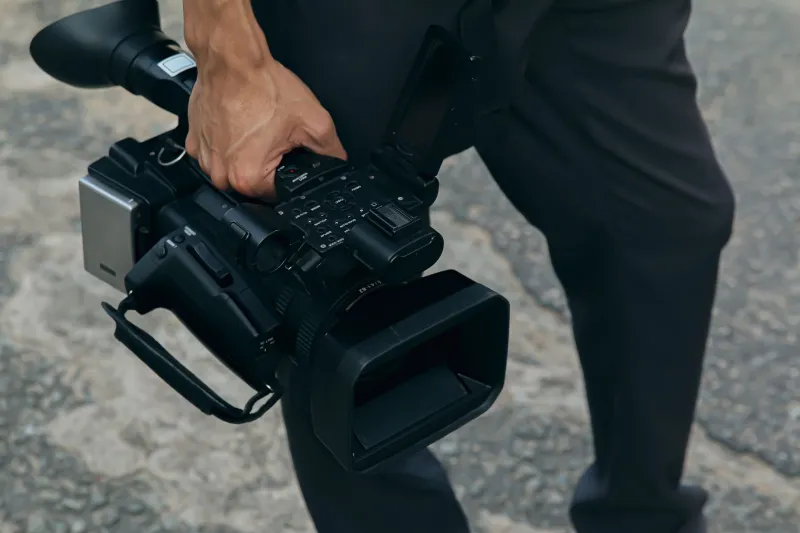
Amy Veseth, a wine educator based in Portland, Oregon, launched a video series documenting the biodynamic farming practices of small Pacific Northwest producers. Shot largely on a mirrorless camera with a minimal crew, the series found its audience through social media and a dedicated newsletter before being picked up for inclusion in a streaming platform's food and culture vertical. The journey from cellar to streaming library took less than eighteen months — a timeline that would have been unthinkable in the previous era of wine documentary production.
What Makes Wine Documentation Compelling Cinema
Not every wine professional who picks up a camera produces compelling work, of course. The transition from expertise to storytelling requires a distinct set of skills that technical knowledge alone cannot provide. The most successful wine filmmakers appear to understand something fundamental: that wine, on screen, is never really about wine.
The great wine documentaries — from Jonathan Nossiter's provocative Mondovino to the intimate producer portraits that populate the better corners of streaming — succeed because they use wine as a lens through which to examine larger questions of identity, economics, tradition, and change. A winemaker who approaches their own documentary project with that understanding, who recognizes that their audience needs a human story anchored in sensory experience, tends to produce work of genuine resonance.
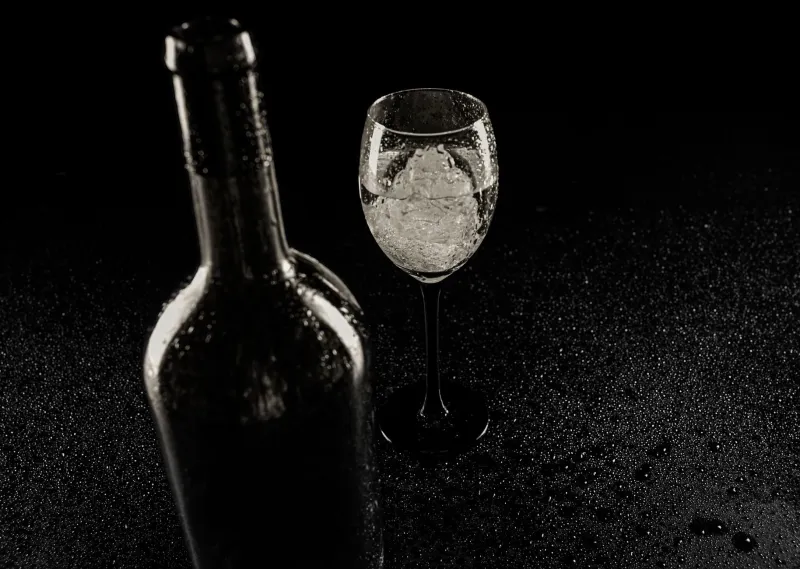
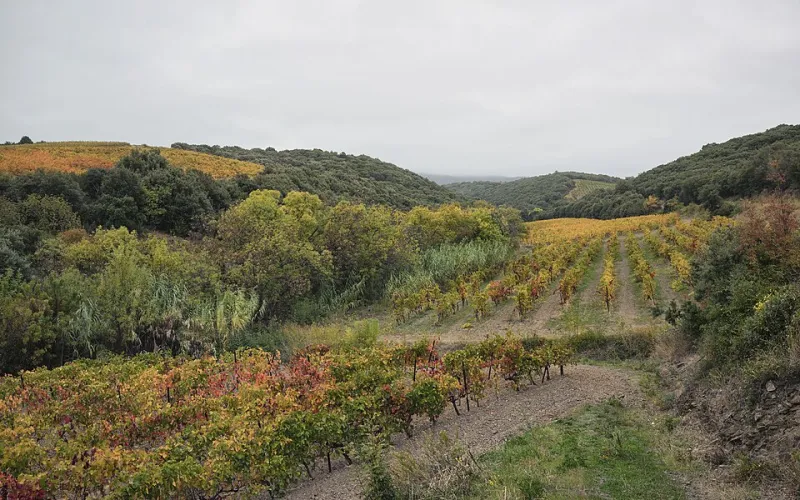
The visual grammar of wine lends itself naturally to cinematic treatment: the play of light through a glass, the textured landscape of a vine-covered hillside, the deliberate choreography of harvest. Wine professionals who have spent years developing a visual and sensory vocabulary find that vocabulary translates surprisingly well to the screen. What they must learn — and many are learning quickly — is pacing, structure, and the discipline of the edit.
The Authenticity Premium
For American audiences increasingly skeptical of produced authenticity, the wine professional as filmmaker carries a particular appeal. There is no performance of expertise; the expertise is simply present, embedded in every question asked and every relationship on screen. Viewers respond to that quality even when they cannot articulate why.
This may ultimately be the most enduring contribution of the sommelier-filmmaker movement: not simply more wine content, but wine content that feels earned. In a media environment saturated with lifestyle programming that reduces wine to a prop, the insider's documentary perspective insists on wine as a subject worthy of serious attention — a position that Mondovino Film has always held, and one that is now finding powerful new advocates behind the camera.
The cellar and the cutting room have more in common than one might initially suppose. Both require patience, precision, and a willingness to trust that something complex and alive is slowly becoming what it was always meant to be.