Estate of Cinema: American Wineries Crafting Immersive Film Experiences on the Vine
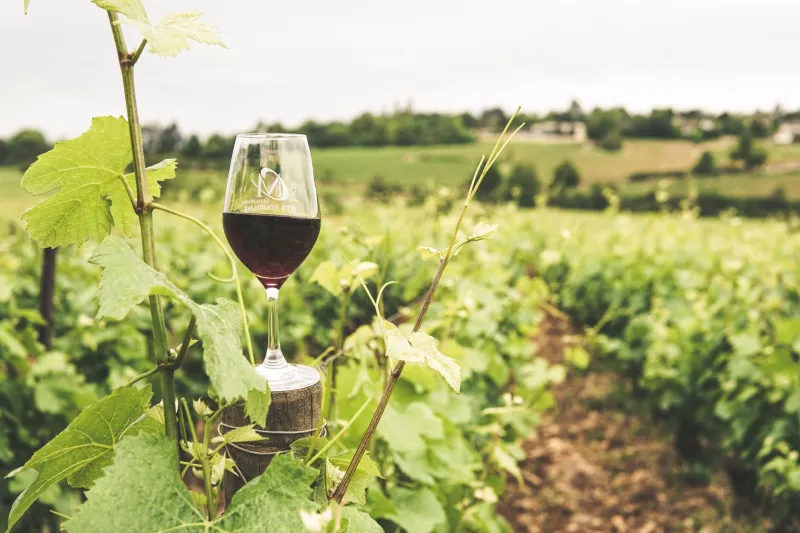
The traditional winery visit follows a well-worn arc: a tour of the barrel room, a walk through the vines if the weather cooperates, and a seated tasting guided by a knowledgeable host. It is a ritual that has served the American wine industry admirably for decades. Yet a growing number of estates across the country are concluding that this familiar sequence no longer fully satisfies the expectations of today's wine traveler — a guest who arrives not merely to taste but to understand, to be moved, and to carry a story home.
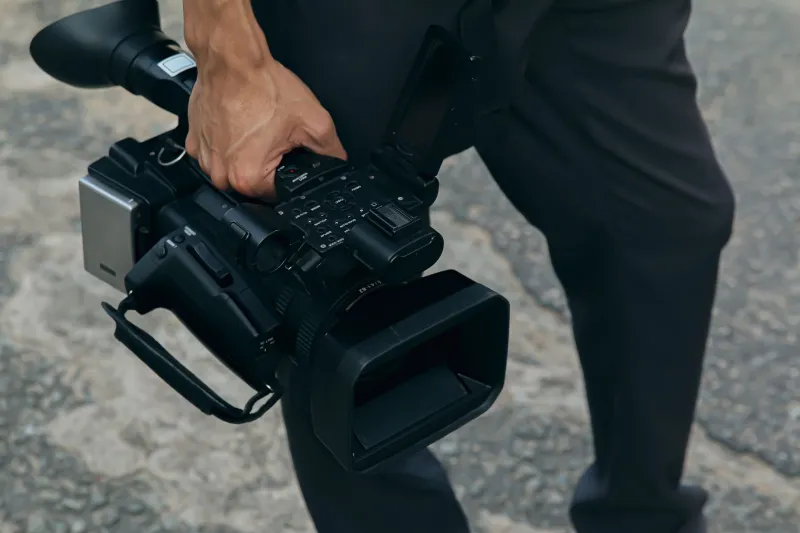
The response, emerging with increasing confidence from properties in California, Oregon, and beyond, is cinematic. Literally so. Private screening rooms, custom-commissioned documentaries, and immersive film events are becoming distinguishing features of the most ambitious winery hospitality programs in the United States. The tasting room, it turns out, is only the beginning.
The Screening Room as Brand Narrative
At a hillside estate in the Stags Leap District of Napa Valley, guests who book a library tasting are now invited to conclude their visit in a purpose-built screening room seating twenty. The space is deliberately intimate — dark walnut paneling, acoustically treated walls, leather seating — and the film they watch is not a promotional video. It is a thirty-eight-minute documentary, produced by a San Francisco-based filmmaking team, that follows a single vintage from the first bud break of spring through the solitary quiet of the cellar in January. There is no narration. The winemaker speaks only twice. The film earns its runtime through image and atmosphere.
"We didn't want to make a commercial," explains the estate's director of hospitality. "We wanted to make something that respected the guest's intelligence and gave the wine a context that you simply cannot communicate through tasting notes alone."
This distinction — between promotional content and genuine cinematic storytelling — is one that the most sophisticated winery film programs are navigating carefully. The estates that are doing this work most compellingly are those that have engaged professional filmmakers, allocated meaningful budgets, and resisted the temptation to treat the documentary as an extended advertisement.
Paso Robles and the Frontier Aesthetic
In Paso Robles, where the wine culture carries a distinctly frontier character — rough-hewn, experimental, emphatically unpolished — several producers have embraced film as a way of articulating an identity that resists conventional luxury marketing. One family-owned estate on the Westside has converted a former equipment barn into a screening and event space that hosts monthly film nights open to wine club members and the broader community.
The programming is eclectic and deliberately not limited to wine subjects. Recent screenings have included a restored print of a classic Italian neorealist film, a documentary about the Basque shepherding tradition in the American West, and a short-film program by emerging California filmmakers. Wine is present throughout — each screening is accompanied by a structured flight chosen to resonate thematically with the film — but it is never the sole subject.
"We're trying to build a community around a shared sensibility," says the estate's co-owner. "Cinema is part of that. Wine is part of that. The conversation that happens between them is what we're really after."
This community-building function is significant. In a region where wine tourism is still developing its identity relative to Napa, the cinema program has become a meaningful point of differentiation — attracting guests who might not have considered Paso Robles as a destination and giving existing members of the wine club a reason to visit outside of harvest season.
Oregon's Documentary Tradition
In Oregon's Willamette Valley, where the wine culture has long been shaped by a streak of intellectual seriousness and environmental commitment, several producers have invested in documentary projects that function as both hospitality offerings and genuine contributions to the historical record of American winemaking.
One multi-generational estate outside of Dundee has been quietly developing an archive of filmed material — interviews with pioneering winemakers, footage of landmark vintages, records of the valley's transformation over four decades — that is now being edited into a feature-length documentary intended for festival submission as well as private estate screenings. The project, which has been in production for three years, represents an investment that goes well beyond the conventional hospitality budget, and signals a conviction that the story of Oregon wine deserves the same cinematic treatment as the storied regions of Europe.
"Burgundy has its films. Bordeaux has its films," notes the estate's second-generation proprietor. "We have a story here that is just as compelling — pioneers who came with nothing and built something extraordinary. That deserves to be on film."
The Architecture of Immersion
Beyond the films themselves, the physical design of these winery cinema spaces merits attention. The estates that have invested most thoughtfully in their screening environments understand that the room itself communicates. A hastily converted conference space with a wall-mounted television delivers a fundamentally different message than a room designed from the ground up to honor the act of watching.
The best examples — and they are still relatively few — treat the screening room as an extension of the winery's architectural language. Stone, wood, and natural materials carry through from the cellar. Lighting is calibrated to ease the transition between tasting and viewing. The spatial relationship between the wine service and the screen is considered rather than incidental.
This attention to environment reflects a broader understanding that the winery cinema experience is, at its core, an exercise in curated perception. Just as a skilled winemaker controls the conditions under which a wine develops, the estate that builds a genuine cinematic program is shaping the conditions under which its story is received.
A New Kind of Wine Education
What unites these diverse initiatives — from Napa's polished documentary suites to Paso Robles's barn-converted community screens to Oregon's archival filmmaking projects — is a conviction that wine education, at its most effective, is experiential rather than informational. Facts about clone selection and barrel regimes have their place. But the understanding that transforms a casual drinker into a genuine enthusiast is more often arrived at through story, image, and atmosphere than through data.
Cinema, as a medium, has always understood this. The American wineries now building film programs into their hospitality offerings are, in a meaningful sense, catching up to what the art form has always known: that the deepest knowledge of a place comes not from reading about it but from being made to feel it. Pour the wine. Dim the lights. Let the terroir speak.